Uncategorized
Nigerian hairdos and the UN SDGs.

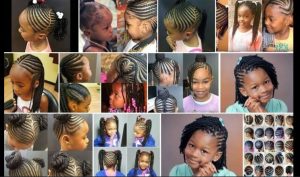

When I attended primary and secondary schools within the walls of the University Of Nigeria Nsukka (U.N.N) in the early 1980s, we had our female classmates putting on different hairstyles with attachments,beads, jerry curls or in perms.To a large extent it was distracting and it raised a strong unhealthy competition amongst female student.We visibly noticed that when we were in class taking lectures, our female classmates were busy looking (with envy or admiration) at other female classmates hairdo.Those that couldn’t afford these hairdo (due to their family poor economic backgrounds) became “disciples” to the females with nice hairdos and this was some what so obvious but hilarious.
Over the years, going to school in Nigeria (especially for the primary and secondary school students ) has gone beyond going with the right school uniform to wearing a decent hair(nice haircut for the males and a weekly/biweekly hairdo for the females).This school hair schedule has so mandated students to wear uniform-friendly styles per week or every 2 weeks.
In these past 7 years we have seen these secondary school students wearing different hair style namely: patewo,Shuku,police cap,Calabar lines,Didi,and much more.These hairdos increase local and global supply chain of artificial hairs and hair accessories thereby increasing employment and economic growth around the world while increasing the female economic value plus empowerment also (UN SDG 14 & 15).
These hairdos our children wear to school displays the cultural diversity of Nigeria and also expressing the cultural identity of the various ethnic groups in Nigeria (UN SDG 10).In the process of plaiting these hairs before schools time, most parents take their children to female hair saloons thereby also encouraging social cohesion.
We have to harness this thing that the schools have started can show the world that all Nigerian ethnic groups are working together hand in hand to achieve sustainable development.
Please check out my works and follow me Mr Dan Onyebuchi Eboh
https://www.linkedin.com/in/daniel-onyebuchi-eboh-a3153a29/ https://podcasts.apple.com/ie/podcast/the-bow/id1533017278
https://open.spotify.com/show/7nBklZxgQG75aMBSGzn3pR
https://www.youtube.com/@danielmykelEboh-bd3uo