In every thriving community, beyond government projects and large corporations, there exists a quieter but more powerful force driving daily life – Small businesses.
Yes, from the Mallam selling vegetables by the roadside to the tailor stitching clothes in a small shop, these enterprises may seem small and ordinary, but together, they form the backbone of the local communities.
The Everyday “hustle” for survival
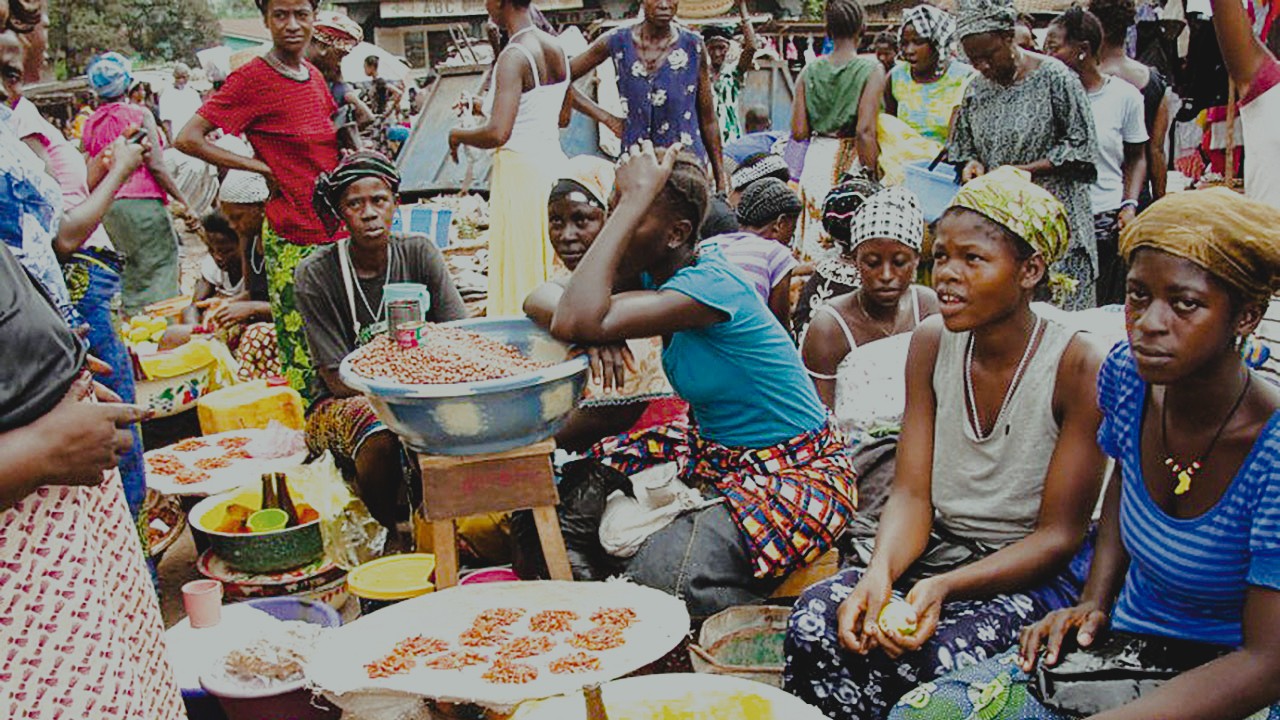
A mother selling akara in the morning or a young man running a phone repair kiosk is not just “hustling”, but actively sustaining households and putting meals on tables. In a world where formal job opportunities are limited, small businesses are not just sources of income, they are life-sustainers, arising from necessity rather than choice.
These businesses create self-reliance and empower individuals to take control of their financial lives.
Employment at the Grassroots Level
While large companies are often praised for job creation, small businesses collectively also employ a significant amount of the population, especially in developing communities.
One shop might employ:
- An Assistant
- A Delivery Person
- A cleaner
Multiply that across hundreds of small businesses in a community, and you begin to see a powerful network of employment opportunities forming quietly but effectively.
…people should be encouraged to support local businesses
The Challenges They Face
Despite their importance, small businesses often operate under difficult conditions such as limited access to funding, poor infrastructure, high taxes, lack of formal training and support. These challenges slow down growth and, in many cases, force businesses to shut down prematurely.
What Can Be Done?
If small businesses are truly the backbone of the communities, then protecting them should be a priority: access to small loans and grants should be provided; business education and skill training should be offered; infrastructure and market conditions should be improved, and people should be encouraged to support local businesses.
Small businesses may not always have aesthetic branding or large-scale operations, but their impact is undeniable. They feed families, create jobs, and keep communities alive. We must begin to see small businesses not as minor components, but as essential pillars of development.



 Kubwa News5 months ago
 Politics7 months ago
 Business5 months ago
 Entertainment7 months ago
 Politics7 months ago
 FCT News8 months ago
 Fashion8 months ago